
Cheltenham Festival Betting Guide 2026: Tips & Offers
Best Non GamStop Casino UK 2026
Loading...
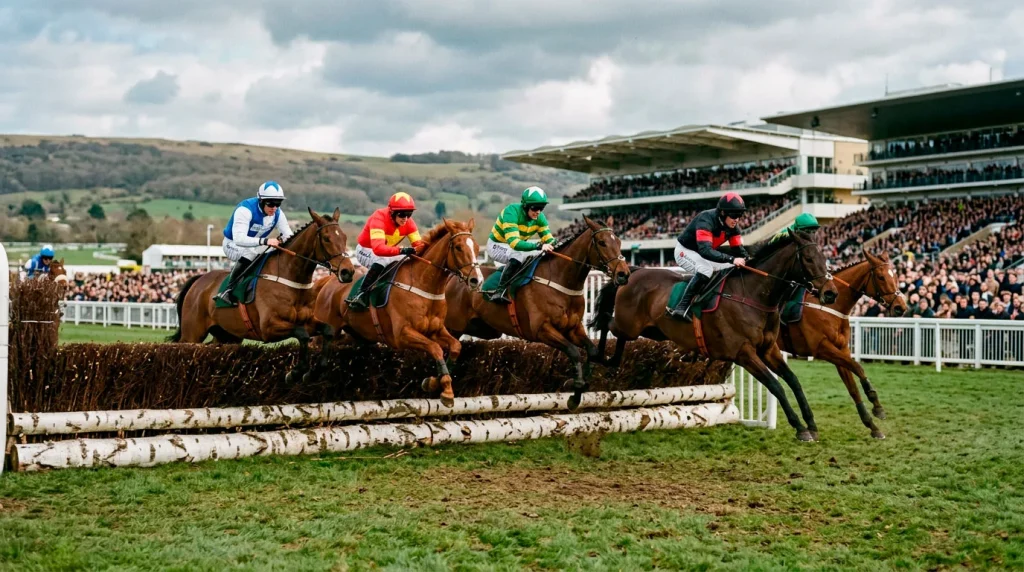
The Cheltenham Festival represents jump racing’s ultimate test—four days of championship National Hunt action where the best horses from Britain and Ireland collide. For punters, it’s the most important betting week of the year, with bookmakers offering their most aggressive promotions and competitive odds.
Preparation separates profitable festival betting from random selections. This guide covers the key races, best bookmaker offers, timing strategies, and each-way opportunities that define successful Cheltenham betting.
The festival attracts over 250,000 spectators across four days, generating betting turnover that dwarfs normal racing weeks. This concentration of interest creates promotional competition among bookmakers and pricing inefficiencies that informed punters can exploit. Understanding the festival’s structure and betting dynamics provides genuine edge.
Key Races Overview
Cheltenham’s 28 races across four days include seven Grade 1 championship events. Understanding the hierarchy helps prioritise research and bankroll allocation.
Championship Races
Champion Hurdle (Tuesday): The two-mile hurdling championship opens the festival. Small fields and short prices characterise this race—win betting suits better than each-way for most runners.
Queen Mother Champion Chase (Wednesday): Two-mile chasing excellence. Speed and jumping precision combine in racing’s most thrilling spectacle. Again, typically small fields with clear market leaders.
Stayers’ Hurdle (Thursday): Three-mile hurdling stamina test. Larger fields create each-way opportunities, with proven stayers often outperforming market expectations.
Cheltenham Gold Cup (Friday): The festival’s centrepiece. Three-and-a-quarter miles of championship steeplechasing determines National Hunt’s ultimate champion. Competitive fields make this the most challenging race to solve.
— British Horseracing Authority, 2026
Big-Field Handicaps
The festival handicaps offer the best each-way value. Fields of 20+ runners with enhanced place terms create opportunities impossible in championship races. Focus on the County Hurdle, Martin Pipe Handicap, and Grand Annual for each-way punters.
Best Cheltenham Offers
Bookmakers concentrate their best promotions during Cheltenham week. Comparing offers maximises value beyond standard odds.
| Bookmaker | Extra Places | Money Back | Price Boosts |
|---|---|---|---|
| bet365 | Up to 6 places | 2nd to SP favourite | Daily specials |
| Paddy Power | Up to 7 places | Fallers refund | Multiple per race |
| Betfair | Up to 6 places | Various triggers | Exchange & Sportsbook |
| William Hill | Up to 5 places | 2nd to favourite | Selected races |
| Sky Bet | Up to 6 places | Money back specials | Request A Bet |
Extra places offers transform each-way value. Standard handicap terms pay four places; promotional terms paying six or seven dramatically increase place probability. Compare coverage daily—different bookmakers lead on different races.
Money-back specials provide insurance on losing bets. “2nd to the SP favourite” returns stakes when your horse finishes runner-up to the market leader. These offers effectively reduce risk on competitive races.
Ante-Post vs Day Betting
Cheltenham ante-post markets open months before the festival, offering bigger prices but carrying withdrawal risk. Day-of-race betting provides certainty but typically shorter odds.
Ante-Post Advantages
Early prices for fancied horses exceed what’s available closer to the race. A Champion Hurdle favourite might be 6/1 in December and 3/1 on race day. The value exists if you’re confident in selection and fitness.
NRNB Protection
Non-Runner No Bet offers eliminate withdrawal risk on ante-post bets. If your horse doesn’t run, your stake returns. Several bookmakers offer NRNB on major festival races—this protection makes early betting safer while retaining price advantage.
— British Horseracing Authority, 2026
Day Betting Benefits
Waiting until race day eliminates guesswork about ground conditions, fitness, and jockey bookings. You see the final field and morning market moves. For uncertain selections, day betting reduces variables.
Cheltenham Betting Strategies
Trainer Statistics
Certain trainers dominate Cheltenham. Willie Mullins, Gordon Elliott, and Nicky Henderson consistently supply festival winners. Backing their runners in appropriate race types offers structural advantage. Study historical strike rates by trainer and race category.
Course Form
Cheltenham’s unique topography—the famous hill and undulating track—rewards specific horse profiles. Previous course winners and placed horses deserve respect. First-time Cheltenham runners face unknown challenges.
Going Preferences
March ground varies from soft to good. Check each horse’s form on relevant going before betting. Horses with exclusively firm-ground form face risks if festival week brings rain. Versatile performers offer safer selections.
Key Strategy Tip
Build a festival portfolio rather than chasing one big winner. Spread stakes across each-way outsiders in handicaps, selective win bets in championship races, and one or two speculative long shots. This approach manages risk while maintaining upside.
Each-Way at Cheltenham
Cheltenham handicaps provide the festival’s best each-way opportunities. Large fields, competitive racing, and enhanced bookmaker terms create value impossible elsewhere.
Target Races for Each-Way
The County Hurdle, Martin Pipe Conditional Jockeys’ Handicap, and Grand Annual regularly see 20+ runners. Standard terms pay four places; enhanced promotions often pay six or seven. Each-way betting suits these races perfectly.
Championship races with smaller fields offer less each-way value. The Champion Hurdle and Queen Mother Champion Chase often have under 10 runners. Win-only betting typically makes more sense in these events unless you’re backing genuine outsiders.
Identifying Value
Look for horses proven at the track, trained by festival specialists, and available at double-figure odds. These profiles offer place probability exceeding what odds suggest. Combined with extra places promotions, they represent the festival’s best betting opportunities.
Festival Preparation Checklist
Successful Cheltenham betting requires advance preparation. Study trainer statistics and course form before race week. Identify target races matching your betting style—championship events or each-way handicaps. Compare bookmaker offers and open necessary accounts before markets peak.
Set a festival budget and divide it across the four days. Don’t chase losses after day one setbacks—the festival rewards patience and discipline. With proper preparation, Cheltenham offers jump racing’s greatest betting spectacle.
Week Before Checklist
Verify accounts are funded at bookmakers with best extra places offers. Check NRNB availability on any remaining ante-post interests. Review ground forecasts and adjust expectations for horses with going preferences. Finalise shortlist of selections across each day’s card.
Daily Routine
Compare extra places coverage each morning—different bookmakers lead on different races. Check for non-runners and market moves overnight. Place bets early enough to capture morning prices with BOG protection. Avoid betting on every race; selectivity improves results.
The Cheltenham Festival represents jump racing at its finest. Approach it with respect, preparation, and realistic expectations. Even the best-researched selections lose in competitive championship racing—accept this reality while maximising your chances through informed betting.