
Grand National Betting Guide: Aintree Tips & Offers
Best Non GamStop Casino UK 2026
Loading...
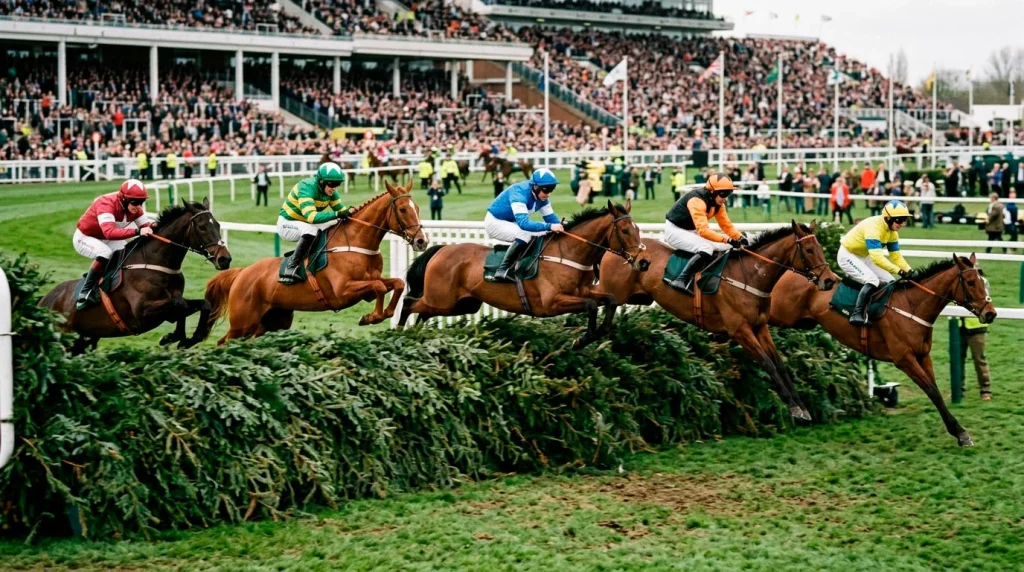
The Grand National is the world’s most famous horse race and Britain’s biggest betting event. Forty runners tackle four miles and 30 fences in a uniquely demanding challenge that attracts millions of once-a-year punters alongside seasoned racing bettors. The race’s unpredictability creates exceptional each-way value and promotional opportunities unavailable elsewhere.
This guide covers the best betting offers, each-way strategies, and selection approaches that help punters navigate National day successfully.
— British Horseracing Authority / UK Parliament, 2023
Best Grand National Offers
Bookmakers reserve their most aggressive promotions for the Grand National. Extra places, NRNB protection, and enhanced odds create genuine value for informed punters.
Extra Places
Standard terms on the National pay four places. Promotional enhancements extend this to six, eight, or even ten places. With 40 runners, finishing in the first 10 is realistic for solid each-way selections—these promotions dramatically increase place probability.
| Bookmaker | Extra Places | NRNB | Money Back |
|---|---|---|---|
| bet365 | Up to 8 places | ✓ | Fallers refund |
| Paddy Power | Up to 10 places | ✓ | Multiple triggers |
| Betfair | Up to 8 places | ✓ | Various specials |
| William Hill | Up to 6 places | ✓ | 2nd to favourite |
| Ladbrokes | Up to 8 places | ✓ | Selected offers |
Non-Runner No Bet (NRNB)
NRNB protection returns stakes if your selection doesn’t run. Grand National fields experience withdrawals before race day—horses fail veterinary checks or trainers change plans. NRNB eliminates this risk on ante-post bets, making early price-taking safer.
Compare NRNB availability carefully. Some bookmakers offer it only on specific markets or require minimum odds. Secure NRNB protection on any National ante-post bet.
Each-Way Strategy
Each-way betting defines National day. The race’s 40-runner field, unique challenges, and high attrition rate make place betting essential.
Why Each-Way Suits the National
Standard win betting on 40-runner races rarely offers value. The unpredictability—falls, refusals, and stamina failures—makes picking the winner extremely difficult. Each-way captures value when horses complete without winning, which happens far more frequently than odds suggest.
Each-Way National Example
Bet: £10 E/W on Strong Runner at 25/1
Total stake: £20
Place terms: 1/4 odds, 8 places (promotional)
If places (finishes 2nd-8th):
Place return: £10 × 6.25 = £62.50 + £10 stake = £72.50
Profit: £52.50 from place portion alone
Selecting Each-Way Contenders
Look for proven stamina over 3+ miles, clean jumping records, and experience of big-field handicaps. Horses who complete without winning in previous Nationals demonstrate the course-handling ability that matters more than pure speed.
Horse Selection Tips
Weight Considerations
The National’s handicap structure assigns weights from 10st to 11st 10lb. Top-weighted horses carry significant burdens over extreme distances. Historically, horses carrying 11st or more rarely win—the weight tells over four demanding miles. Focus on horses in the 10st-10st 10lb range with lighter penalties.
The optimum weight range based on historical analysis sits between 10st 5lb and 10st 12lb. Horses in this bracket have won more Nationals than any other weight group over the past two decades.
Age Profile
Grand National winners typically age between 8-11 years. Younger horses lack experience; older horses lack the stamina reserves for four miles in spring. Eight and nine-year-olds offer the optimal balance of maturity and physical capability.
Seven-year-olds occasionally win but lack the experience that helps horses navigate Aintree’s unique challenges. Twelve-year-olds and older face increasingly long odds against them—the race demands peak physical condition that age diminishes.
Previous National Experience
Aintree’s unique fences—including the famous Becher’s Brook and Canal Turn—require specific skills. Horses who’ve completed the National before understand these challenges. Previous completion, even without placing, indicates course suitability that first-timers can’t demonstrate.
Trainer Records
Certain trainers specialise in National preparation. Lucinda Russell, Gordon Elliott, and Nigel Twiston-Davies have produced multiple National winners. Their experience of getting horses fit for the specific demands translates to better completion and place rates.
Ante-Post Considerations
Grand National ante-post markets open months in advance. Early prices offer significant value but carry withdrawal risks without NRNB protection.
When to Bet
Serious National candidates typically show their hands by February through trial races. Waiting until this point reduces guesswork while still capturing better prices than race-day markets. The period between final declarations (Thursday before) and race day offers the safest ante-post window.
Price Movement Patterns
Popular horses shorten dramatically as National week approaches. Once-a-year punters pile onto household names, compressing odds. Backing these horses early—with NRNB protection—locks in value before mass-market betting begins.
— Gambling Commission Industry Statistics, 2026
Common Mistakes to Avoid
Backing Too Many Horses
The temptation to cover multiple selections leads to guaranteed losses. If you back five horses each-way at £10, you’ve staked £100. Even if one places at 20/1, you might not cover your total outlay. Limit selections to two or three maximum.
Ignoring the Form
Names, colours, and sentiment drive many National bets—but form still matters. Horses without recent competitive runs over staying trips struggle regardless of their stories. Check that selections have run well within the past two months over relevant distances.
Chasing Last Year’s Hero
Previous National winners carry higher weights next time. The historical record shows former winners rarely repeat—the weight penalty combined with another year’s age works against them. Respect last year’s winner but recognise the structural disadvantages they face.
Final Warning
The Grand National is entertainment, not investment. Even well-researched selections lose more often than they win in 40-runner races. Set a budget you can afford to lose entirely and treat any returns as bonuses.
National Day Success
Approach the Grand National with realistic expectations and proper preparation. Research form, secure NRNB protection on ante-post bets, and maximise each-way value through extra places promotions. Limit selections to avoid overexposure and accept that unpredictability defines the race’s appeal.
The Grand National rewards patient, disciplined betting over emotional punting. With the right approach, National day remains British racing’s most exciting betting experience.
Race Day Strategy
On National morning, confirm your selections remain in the final field. Late withdrawals affect place terms and market dynamics. Check for significant market moves suggesting late intelligence. Verify extra places coverage across bookmakers—don’t assume yesterday’s best offer remains today’s.
Place each-way bets early enough to capture BOG protection and best prices. The National market moves dramatically in the final hour as casual punters pile onto familiar names. Early betting typically offers better value.
Managing Expectations
Remember that even professional punters struggle with the Grand National’s complexity. Forty runners over unique obstacles create genuine randomness that form analysis cannot fully capture. Treat your stake as entertainment cost rather than investment. If you place—or win—consider it a bonus rather than expectation.
The Grand National’s magic lies in its unpredictability. Embrace the chaos, bet responsibly, and enjoy British racing’s greatest spectacle.