
Starting Price vs Early Price: SP Betting Strategy
Best Non GamStop Casino UK 2026
Loading...
Every horse racing bet involves a timing decision: take the early price now or wait for the Starting Price (SP). Early prices are available from when markets open—sometimes the night before racing. The SP is determined at race start based on on-course betting activity. Each approach has strategic implications.
The early price locks in odds immediately, giving certainty but committing before full market information is available. SP betting waits for the market to settle, potentially benefiting from drifters but risking shorter odds on steamers. Understanding when each approach offers value improves long-term betting results.
Best Odds Guaranteed (BOG) has transformed this calculation for many punters, providing a safety net that makes early betting more attractive. This guide explains both approaches and helps you develop a framework for timing decisions.
How Starting Price Is Determined
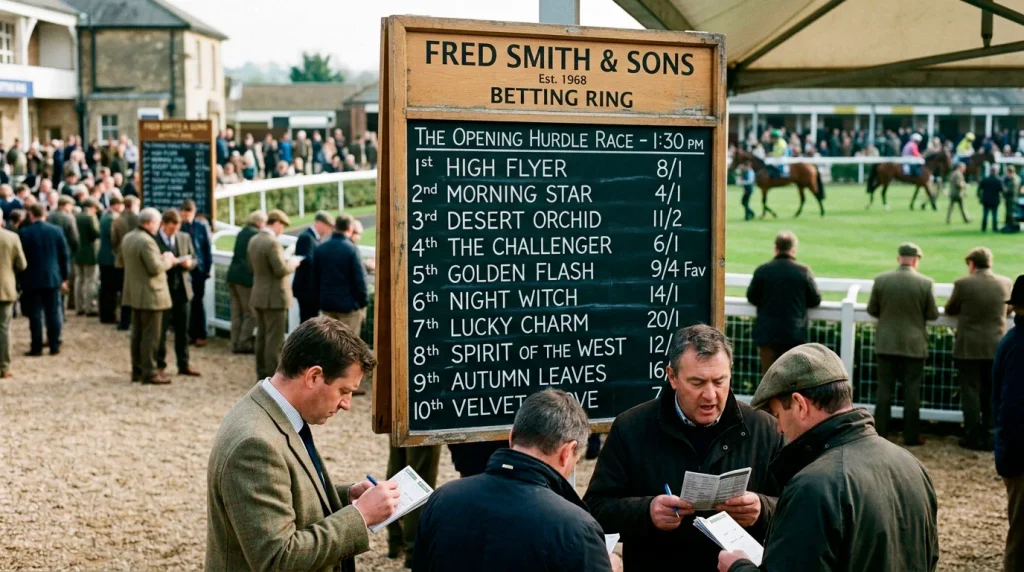
The Starting Price represents official odds at the moment a race begins. It’s calculated from on-course bookmaker prices, weighted by the money they’re holding on each horse. The SP provides a standardised benchmark used for settling bets placed without taking a specific price.
Industry SP Calculation
On-course representatives sample prices from multiple bookmakers in the ring. These are combined using a methodology that accounts for betting volume, not just displayed odds. The result reflects genuine market assessment at race time.
For smaller meetings or early races, fewer bookmakers trade and SP calculation relies on narrower sampling. This can create SP variations that occasionally differ significantly from exchange prices or major bookmaker odds.
— Horserace Betting Levy Board Annual Report, 2026/25
When SP Applies
SP applies when you don’t take a fixed price—either by choice or because you bet after markets closed. Some bookmakers default to SP for certain bet types. If you’re unsure whether you’re getting SP or a fixed price, check before confirming your bet.
Early Price Advantages
Capturing Value Before Market Moves
Horses expected to attract support often shorten significantly. A 10/1 morning price might become 6/1 by race time. Taking the early price captures the longer odds before money compresses the market. This matters most for horses trained by popular yards or tipped in mainstream media.
Certainty of Return
With an early price, you know exactly what your bet pays if successful. This certainty helps bankroll management and removes the anxiety of watching prices shorten. For punters who want to bet and step away, early prices provide closure.
BOG Protection
Best Odds Guaranteed transforms early betting. Take the morning price and receive SP if it’s bigger. This removes downside risk—you can’t get worse than your taken price, but you’ll benefit if the horse drifts. BOG makes early prices almost universally superior when available.
BOG Value Example
Morning price taken: 8/1
Starting Price: 12/1 (horse drifted)
Without BOG: Paid at 8/1
With BOG: Paid at 12/1
BOG provided 50% more profit at no additional risk.
SP Advantages
Late Information
Market moves reflect information: late support suggests confidence, while drifters may have issues. Waiting for SP lets you benefit from late intelligence without actively monitoring markets. If money comes for your selection, you sacrifice some odds but gain confirmation of market confidence.
Avoiding Steamers
Some horses attract irrational support—newspaper tips, famous jockeys, or simply attractive names. These “steamers” shorten beyond their true value. SP bettors avoid overpaying for hyped selections; if anything, they benefit when overbet horses compress odds on everything else.
Drifter Opportunities
Horses that drift to SP are often unfancied for reasons that may not affect their chances. Ground changes, stable confidence elsewhere, or simple market neglect can create SP value. Patient punters occasionally find significant SP overlays on horses they’d have backed at shorter prices.
— British Horseracing Authority Racing Report, 2026
BOG Impact on Your Decision
Best Odds Guaranteed fundamentally changes the early price versus SP calculation. With BOG, taking an early price has no downside relative to SP—you receive whichever is better.
When BOG Is Available
Most major bookmakers offer BOG on UK and Irish racing for bets placed on the day of racing. Check terms carefully: some exclude certain meetings, bet types, or impose maximum payout limits. Not all advertised BOG applies to all circumstances.
Optimal BOG Strategy
When BOG applies without restrictions, take the earliest available price. You capture any potential shortening while retaining upside if the horse drifts. There’s no strategic reason to wait for SP when BOG protects you.
When BOG Doesn’t Apply
Without BOG, the calculation reverses. Taking early prices risks missing drifts, while waiting risks missing shortenings. Consider your assessment: if you believe the horse will attract support, take the price. If you expect neglect or drift, waiting may pay.
Key Decision Framework
With BOG: Always take the early price—you can only benefit from drift, never suffer from shortening. Without BOG: Take the price on horses you expect to shorten; consider SP on those you expect to drift or remain stable.
Practical Guidelines
Reading Market Signals
Monitor exchange markets for early indications. Money appearing overnight often predicts morning shortening. Horses showing support before official markets open typically continue attracting money. Use this intelligence to time your bookmaker bets.
Horses That Typically Shorten
Expect shortening from: well-tipped selections in major publications, horses from fashionable trainers at their preferred courses, and those with recent impressive performances. Taking early prices on these profiles usually captures value.
Horses That Typically Drift
Expect drift from: horses returning from long breaks, those stepping up significantly in class, and runners from smaller yards at major meetings. SP on these profiles occasionally provides overlay value, though be cautious about why they’re drifting.
The market isn’t always right, but it usually reflects reasonable probability assessments. Systematic drift suggests genuine concern; don’t assume you know better than collective money without specific reasons.
Timing Your Betting
The SP versus early price decision depends primarily on BOG availability. With BOG protection, early betting dominates—take the price and let the guarantee work for you. Without BOG, the decision requires judgement about likely market moves.
Develop habits that match your circumstances. If your bookmaker offers reliable BOG, bet early on your selections. If not, consider whether each horse is likely to attract or lose support, and time accordingly. Either way, understanding both approaches makes you a more complete punter.
Building Your Approach
Track your betting timing and outcomes over several months. Note which selections shortened after you bet early (BOG captured value) and which drifted (BOG saved you from worse odds). This data reveals whether your natural timing instincts align with market movements.
Some punters prefer the certainty of early prices regardless of BOG. Others enjoy watching markets develop before committing. Personal preference matters alongside mathematical optimisation—betting should remain enjoyable within strategic frameworks.
Market Reading Skills
Observing market movements before committing develops valuable pattern recognition. Notice which trainers’ horses consistently attract late support, which jockey bookings trigger market moves, and how different race types behave. This knowledge informs future timing decisions whether you bet early or late.
The choice between SP and early prices represents one element of comprehensive betting strategy. Combined with bookmaker selection, stake management, and form analysis, optimal timing contributes to long-term betting success.